Rare Encephalitis in a European International StudentLife-Saving Turnaround Achieved in Beijing with Clinical Remission Spleen-Preserving Surgery
Patient Background
While studying in China, the student developed sudden-onset neuropsychiatric symptoms, including abnormal behavior, seizures, and altered consciousness. The condition was ultimately identified as a rare form of autoimmune encephalitis—anti-NMDA receptor encephalitis. After initialevaluation and treatment in London, the patient showed no significant improvement, and the condition was regarded locally as a rare and complex
disease with no clearly effective treatment plan.
Why Choose Us
Facing persistent deterioration and a life-threatening condition, the patient learned that Peking Union Medical College Hospital is a leading national referral center for rare and complex diseases, with globally recognized diagnostic capabilities for difficult and undiagnosed conditions. The patient
subsequently sought care at the hospital’s International Medical Department for definitive diagnosis and treatment.
Highlights:
A multidisciplinary diagnostic approach was undertaken, including advanced neurological imaging and repeat cerebrospinal fluid analysis for anti-NMDA receptor antibodies. Following confirmation, second-line immunotherapy was promptly initiated, leading to a rapid reversal of thecritical condition and significant clinical improvement.
Feedback:
The patient’s neurological and psychiatric symptoms fully resolved, with complete recovery of cognitive and physical function, achieving clinical remission and a successful recovery outcome.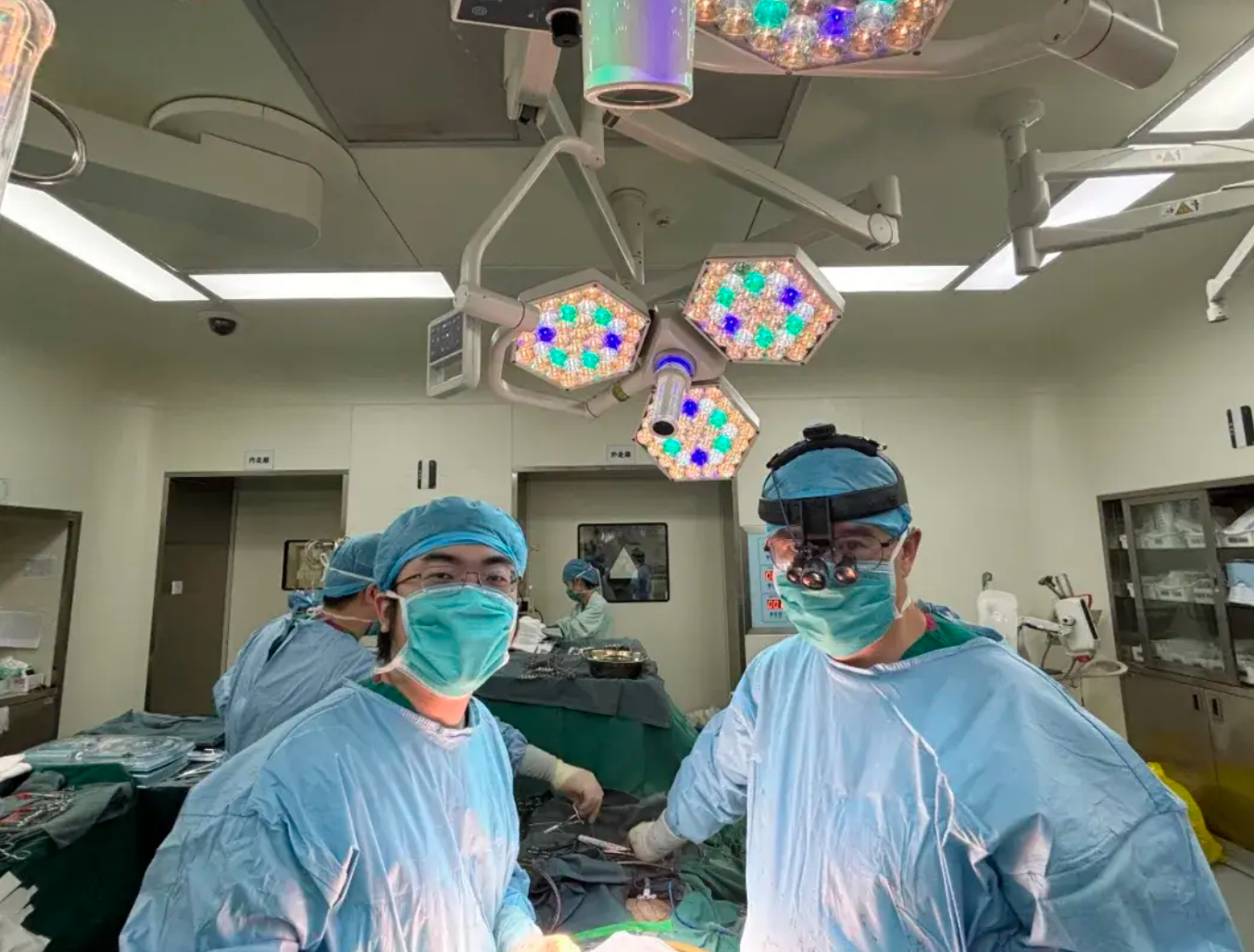
OTHER CASES
Другие истории
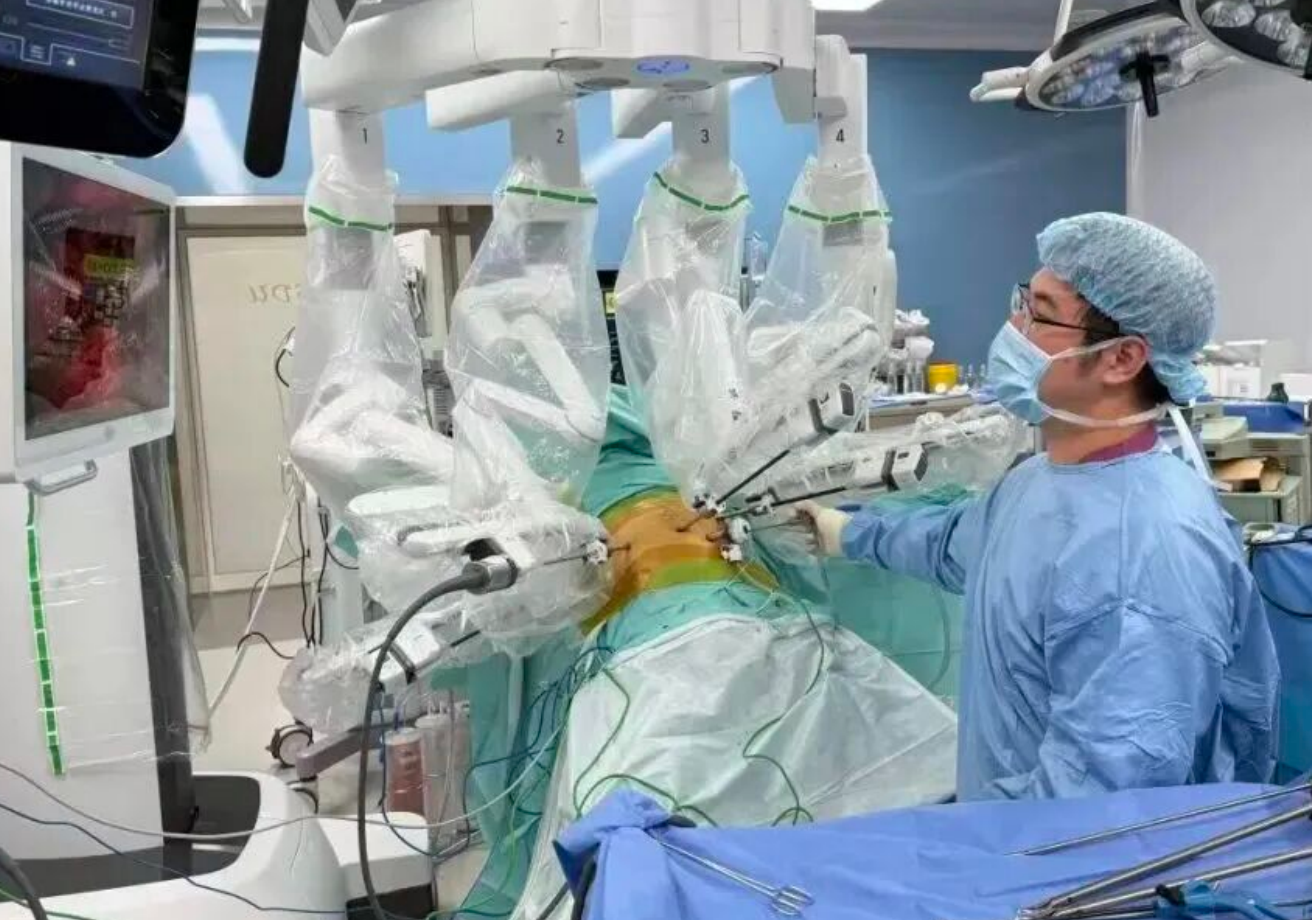
Canadian Physician Travels to China with Young Daughter for TreatmentRare Pediatric Tumor Successfully Treated in Shanghai with Robot-Assisted Minimally Invasive Spleen-Preserving Surgery
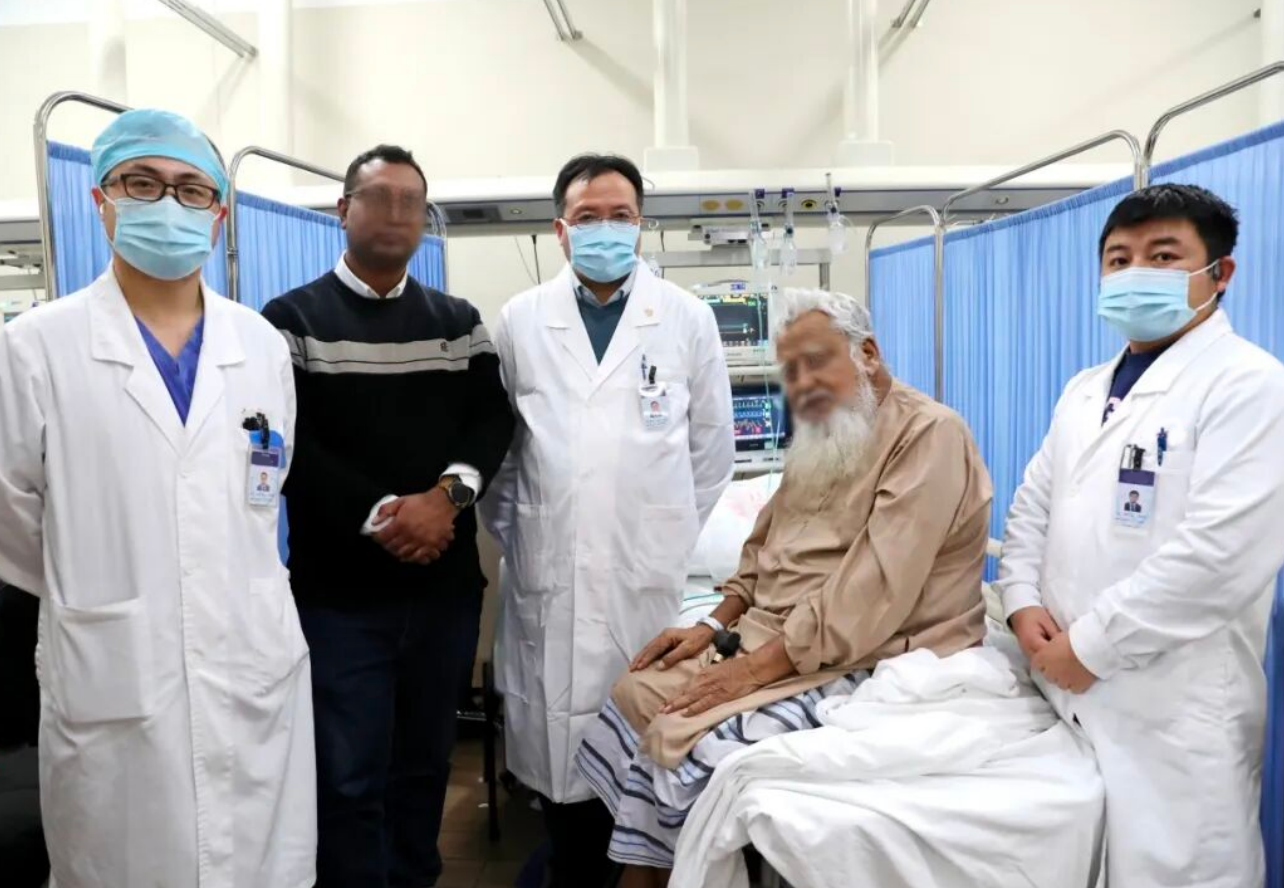
British Patient Diagnosed with Cancer During Health Screening in ChinaPrecision Treatment in Shanghai Achieves Complete Remission Spleen-Preserving Surgery
